How to restore cast iron grill grates
About an afternoon · 6 steps · one of them needs patience while the oil cures
By the Grill Patrol editors · Published June 17, 2026
A rusty cast iron grate is usually not trash. Unless it is cracked or pitted all the way through, one afternoon of soaking, scrubbing, drying, and seasoning brings it back to ready. Cast iron is forgiving that way. The rust is almost always surface-deep, and the fix is straightforward once you know the order of operations.
Can this grate be saved?
Be honest here before you spend time on it.
- • Save it if the rust is surface or flaky and the bars are solid. Push on them. Solid metal with rust on the surface is a cleaning job, not a replacement job.
- • Replace it if a bar is cracked, snapped, or pitted through. Thin spots, holes, or bars that flex when you push are structural damage. Restoration cannot fix that, and a compromised bar can break during a cook. If you do have to replace, a fresh set of grates is far cheaper than a new grill, so match your grill make and model and swap just the grates.
Surface rust, even heavy surface rust with a lot of flaking, is almost always a cleaning problem. Give the bars a firm push before you decide.
The restore, step by step
- Knock off the loose rust. Gloves on first; rusty grate edges are sharp. Lay some newspaper under the grate and dry-brush it with the bristle-free brush over the paper to knock off the loose, flaky rust. You are not trying to get to bare metal yet, just clearing the surface crust so the degreaser and soak can reach the real rust underneath.
- Degrease, then attack the rust. Spray the citrus degreaser over the grate, let it sit a few minutes, then wipe. For heavier rust, fill a container with a 1:1 mix of white vinegar and water and soak the grate for about an hour. Keep it to roughly an hour and no more; vinegar is acidic and will keep eating the metal if you leave it overnight.
- Scrub to bare gray metal. Pull the grate from the soak and go at it with the bristle-free brush and scraper. Add a wad of foil or a ball of steel wool for stubborn spots. You are aiming for clean cast iron, gray and matte, not the orange-brown of rust. Rinse the grate well when you get there.
- Dry it completely and immediately. Cast iron flash-rusts in minutes. Towel dry the grate right after rinsing, then run the grill on low (or put the grate in a 200F oven) for 10 to 15 minutes until it is bone dry. Any moisture left behind undoes the scrub step fast.
- Re-season with a thin oil coat. Wipe a very thin coat of high-smoke-point oil (grapeseed, canola, or flaxseed) over every surface of the dry grate. Thin is the trick; a thick coat turns sticky and gummy instead of curing smooth. Run the grill at about 400F for an hour. Let it cool, then repeat the thin-coat-and-bake cycle two or three more times. The oil hardens (this is called polymerizing) into a smooth seasoning layer that protects the cast iron going forward. Oil is a pantry item; no product pick needed here.
- Keep it that way. Oil the grate lightly after each cook while it is still warm, keep the grill covered and dry, and re-season once a season. A seasoned cast iron grate maintained this way barely rusts. The season builds up over time and becomes a near-permanent barrier.
Why bristle-free for this job
When you are scrubbing hard on rough, rusty metal, a worn wire brush sheds bristles exactly when you are pushing it hardest. That is the hazard behind the 2026 CPSC recall of millions of wire grill brushes. A bristle-free brush with a scraper edge and a wad of foil does the scrubbing job just as well, without the risk. Read the full breakdown at bristle vs bristle-free.
The short list for the job
Now that you know the steps, here is the gear that actually earns its place. One pick per job: degrease, scrub, and protect your hands during the burn-off. How we pick: bristle-free and grill-safe only, cross-checked against the 2026 CPSC recall list. We tell you what to skip before what to buy.
Heads up: The product links on this site are affiliate links. If you buy through them, Grill Patrol may earn a small commission at no extra cost to you. We only point to gear we’d put on our own grill. Disclosure.
-
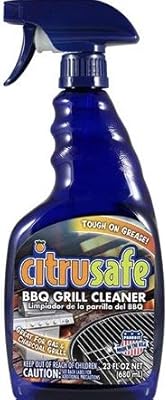 Top pick
Citrus grill degreaser
Cuts the baked-on grease so the rust underneath can actually come off. Spray it on a cool grate, let it dwell, then wipe clean. Food-safe citrus formula.
-
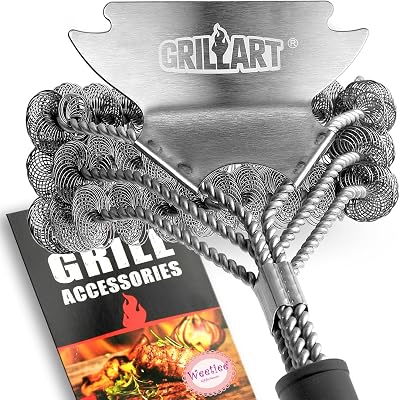
Bristle-free brush + scraper
Scrubs rust back to bare metal with a built-in scraper edge and no wire bristles that can shed into food. The scraper handles stubborn spots where a brush head can't get traction. When you're pushing hard on a rough surface, a worn wire brush sheds fastest; go bristle-free for this job.
-

Heat-resistant grill gloves
Protects hands from rusty edges during the scrub step and from the hot grate during the re-season burn-off. Rated to high heat so you can handle the grate right after the seasoning run.
FAQ
Yes, in most cases. Surface rust and flaky rust are normal and come off with a soak, a scrub, and a re-season. The only time to replace a grate is when a bar is cracked, snapped, or pitted all the way through. Structural damage cannot be scrubbed away.
Only if a bar is cracked, snapped, or pitted through to the point of being holey or thin. Surface rust, even heavy surface rust, is a cleaning problem, not a replacement problem. One afternoon of soaking, scrubbing, drying, and seasoning brings most cast iron grates back to ready.
Yes. A 1:1 white vinegar and water soak for about an hour loosens rust well. Keep it to roughly an hour and no more; vinegar is acidic and will keep eating the metal if you leave it too long. After the soak, scrub, rinse immediately, and dry the grate within minutes or it will flash-rust.
Any high-smoke-point oil works: grapeseed, canola, or flaxseed are common choices. Wipe on the thinnest coat you can manage, then run the grill at about 400F for an hour. Thin is the trick. A thick coat turns sticky and gummy instead of polymerizing into a smooth seasoning layer.
You can, but a worn wire brush sheds bristles into the grate surface and eventually into your food. When you are scrubbing hard on rough, rusty metal, that risk goes up. A bristle-free brush with a scraper edge and a wad of foil does the job just as well without the bristle hazard.
Dry the grates fully after every cook, wipe them lightly with cooking oil while still warm, keep the grill covered, and re-season once a season. Cast iron that is kept dry and lightly oiled barely rusts at all. The season builds up over time and becomes a near-permanent barrier.
Keep reading
The restore kit
The full short list of honest gear for rescuing a hand-me-down or neglected grill.
Rescue a beat-up gas grill
The full rescue guide: firebox check, degreasing, burner ports, and the leak test before you fire it up.
The bristle debate
Wire vs bristle-free: the honest breakdown on which brush to use and when to switch.
Best replacement grill grates
Replacement grate options if restoration fails: matched to grill size and material.
Grill Patrol rounds up honest gear for rescuing and maintaining your grill. The restore kit is the short list of what actually helps.
See the restore kit →