How to clean rusty grill grates
By the Grill Patrol editors · Published 2026-06-17
Rust on grill grates is common and usually fixable. The right method depends on what your grates are made of, so figure that out before you reach for anything. Cast iron, bare steel, and porcelain-coated grates each need a slightly different approach, and using the wrong one makes the problem worse.
First, what are your grates made of?
- Cast iron: heavy, matte black or gray, rusts orange. Fully restorable, but needs re-seasoning afterward. Cast iron has a detailed restoration process all its own; see the full walkthrough at how to restore cast iron grill grates. The steps below apply to cast iron, but that page covers the re-seasoning finish you will need.
- Bare stainless steel: shiny silver, lighter weight. Rust is usually surface only and comes off with a degrease, a short soak, and a good scrub. No seasoning needed afterward.
- Porcelain-coated (enamel over steel or cast iron): glossy finish. If you see rust, the coating has chipped and bare metal is exposed underneath. Clean gently; never use abrasives or steel wool on the coating because you will widen the chips. If the coating is rusting through in several spots, replace the grate rather than patch it.
Remove the rust, step by step
These steps apply to cast iron and bare steel grates. Porcelain is the gentle exception: skip the vinegar soak and the steel wool, use only a soft brush or sponge, and stop if the coating lifts further.
- Degrease first. Spray the grates with a citrus grill degreaser while they are cool. Let it dwell for a few minutes, then wipe or rinse clean. You want to be scrubbing rust, not grease on top of rust.
- Loosen the rust. For surface rust on cast iron or bare steel, mix equal parts white vinegar and water and let the grates soak for about an hour. Do not leave them overnight; vinegar keeps eating the metal after the rust is gone. For lighter rust, a thick paste of baking soda and water works well and is gentler: apply, wait 10 to 15 minutes, then scrub.
- Scrub to bare metal. Use the bristle-free brush or scraper, plus a wad of crumpled foil for stubborn spots. For heavier rust on cast iron, steel wool works; skip it on porcelain grates because it will scratch the coating. Never use a wire brush with loose bristles on any grate type.
- Rinse and dry completely and immediately. Cast iron and bare steel flash-rust within minutes of getting wet. Towel dry, then run the grill on low heat or put the grates in a 200 F oven until bone dry.
- Protect it. Cast iron needs re-seasoning after a rust scrub to rebuild the protective oil layer; follow the full guide at how to restore cast iron grill grates. Bare steel just needs to be kept dry and rubbed with a thin coat of cooking oil. Porcelain grates need a light oil and a replacement if the coating has rusted through.
Is it safe to grill on rusty grates?
A little surface rust will not poison you. The real hazard is flaking rust plus a worn wire brush: brush bristles can detach and end up in food, which is far more dangerous than rust itself. Clean the grates, ditch the wire brush, and you are on safe ground. For more on brush safety, see bristle vs. bristle-free.
When to just replace them
Cracked, snapped, or pitted through means replace. Porcelain coating that is rusting through in multiple spots means replace; patching does not hold. A fresh set of grates is far cheaper than a new grill, so do not let ugly grates make the decision for you.
Three things that earn their place
Most of the work is elbow grease, vinegar, and foil. These three fill the gaps: the degreaser that cuts what a brush cannot, the bristle-free tool that scrubs without shedding wire, and the gloves that keep rusty edges off your hands. One pick per job.
Heads up: The product links on this site are affiliate links. If you buy through them, Grill Patrol may earn a small commission at no extra cost to you. We only point to gear we’d put on our own grill. Disclosure.
-
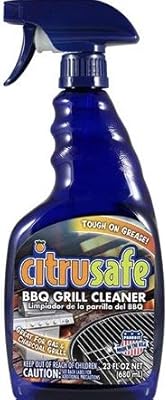 Start here
Citrus grill degreaser
Cut the baked-on grease first so you are scrubbing rust, not grime. Spray a cool grate, let it dwell, wipe clean. Food-safe citrus formula.
-
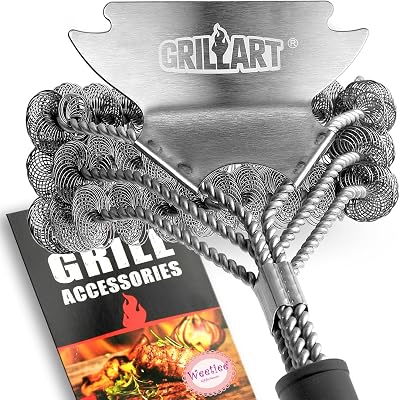
Bristle-free brush + scraper
Scrub rust off without wire bristles that can shed into food; the scraper edge lifts stubborn rust and carbon. Works on cast iron and bare steel grates.
-

Heat-resistant grill gloves
Protect your hands from rusty, sharp grate edges and hot metal while you work. Rated to high heat.
FAQ
Yes, in most cases. Surface rust on cast iron and bare steel grates scrubs off with a degreaser, a vinegar or baking soda soak, and a bristle-free brush. The key is drying the grates completely afterward and applying a light coat of oil so the rust does not return.
A little surface rust will not poison you, but flaking rust is a different matter. The bigger hazard is a worn wire brush leaving bristles on the grates; a bristle in food is an emergency room visit. Clean the rust off, skip the wire brush, and you are fine.
A 1:1 white vinegar and water soak for about an hour loosens surface rust on cast iron and bare steel grates. Do not leave it longer; vinegar keeps eating the metal after the rust is gone. Rinse thoroughly, then scrub and dry immediately.
A thick paste of baking soda and water works well on lighter rust. Apply it, let it sit for 10 to 15 minutes, then scrub with a bristle-free brush or a wad of foil and rinse. It is gentler than vinegar and safe on all grate types.
Dry the grates completely after every clean; cast iron and bare steel flash-rust within minutes of getting wet. Then rub a thin coat of cooking oil over the surface. Keep the grill covered when not in use. For cast iron, regular seasoning builds a protective layer that resists rust.
Replace them if the grate is cracked, snapped, pitted through, or if the porcelain coating is rusting through in multiple spots. Surface rust that scrubs off is cosmetic. A fresh set of grates is far cheaper than a new grill, so do not let ugly grates make the decision for you.
Keep reading
Restore cast iron grates
The full cast iron walkthrough: strip, scrub, and re-season back to a proper cooking surface.
The restore kit
The short list of gear that earns its place when rescuing a neglected or hand-me-down grill.
Bristle vs. bristle-free
Why wire brushes shed and what to use instead, so you are not putting bristles in your food.
Best replacement grill grates
When grates are too far gone to save, here are the replacement options worth considering.
Grill Patrol rounds up honest, tested gear for rescuing and maintaining your grill. The restore kit is the short list of what actually helps.
See the restore kit →